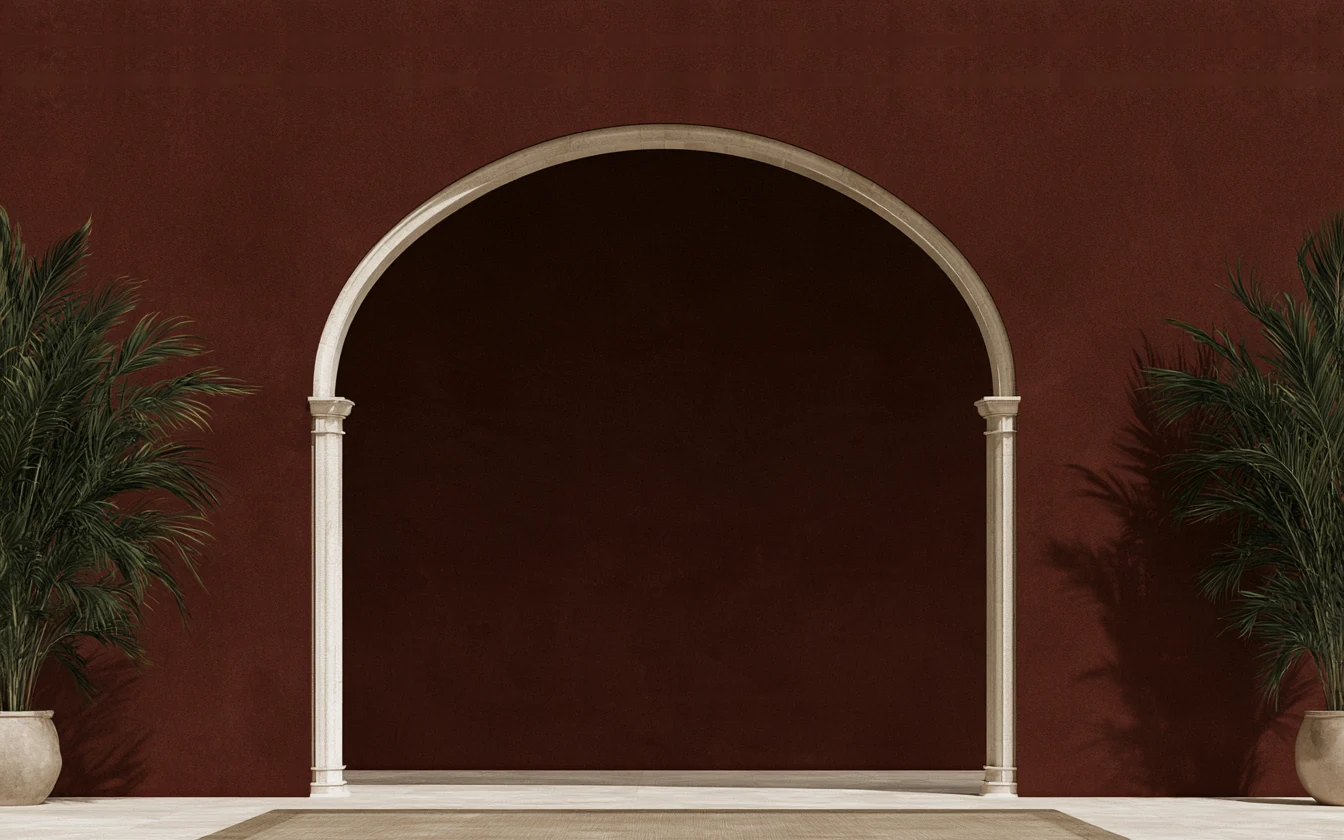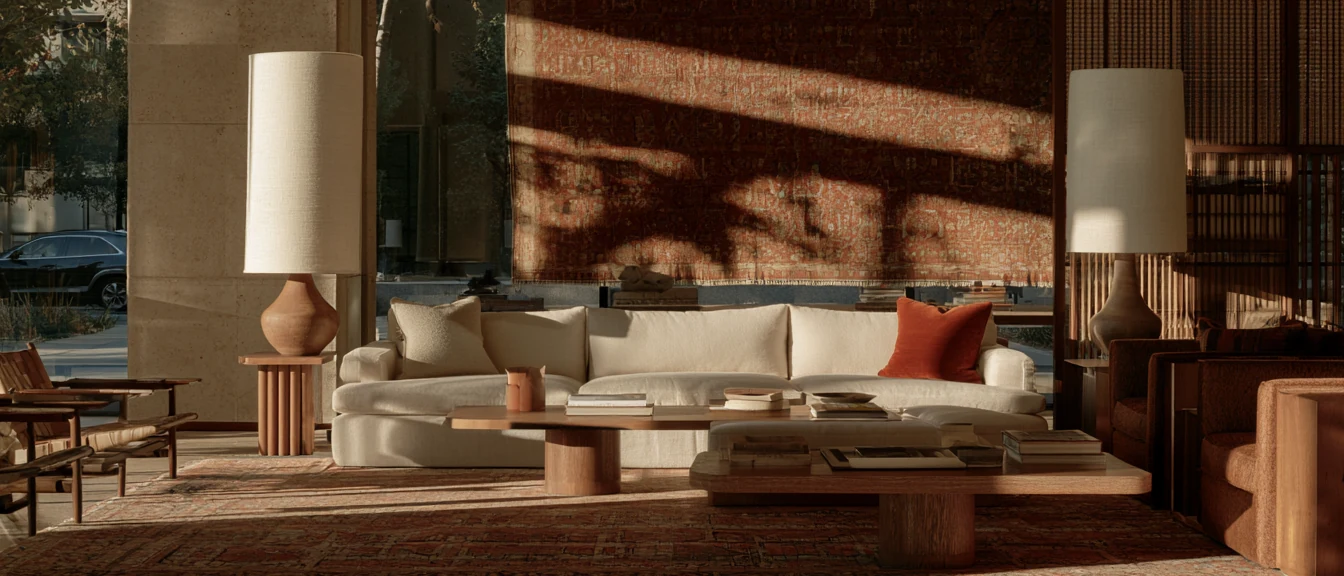
Long before anyone mentions scent, a building has its own way of being. You notice it in the height of the ceilings, in whether the floors creak, in how quickly people walk in from the street. So we start by spending time there. We look around, we listen, and we ask a lot of questions.
Our first task is to understand what is already there, and how fragrance might become part of it.

Reading the Space
We study the architecture and material character of a property, its setting and history, and the identity of the business that occupies it.
We also examine the conditions in which fragrance will exist. Ventilation, air movement, neighbouring activities and existing sources of scent can influence its distribution and perception. Light and sound shape the wider sensory character of an interior, so we take them into account too.
We want to understand the space on its own terms before proposing anything new.
Understanding Its People
Buildings acquire much of their character through the people who inhabit them.
A guest arriving at a hotel for the first time encounters it differently from someone who returns each week. Staff experience the same rooms over longer periods, often noticing details that a visitor might overlook. We pay close attention to these different relationships.
We look at how people arrive, where they spend time and how they move between different areas. Passing through a reception hall is a different experience from spending an afternoon in a reading room or entering a private treatment suite.
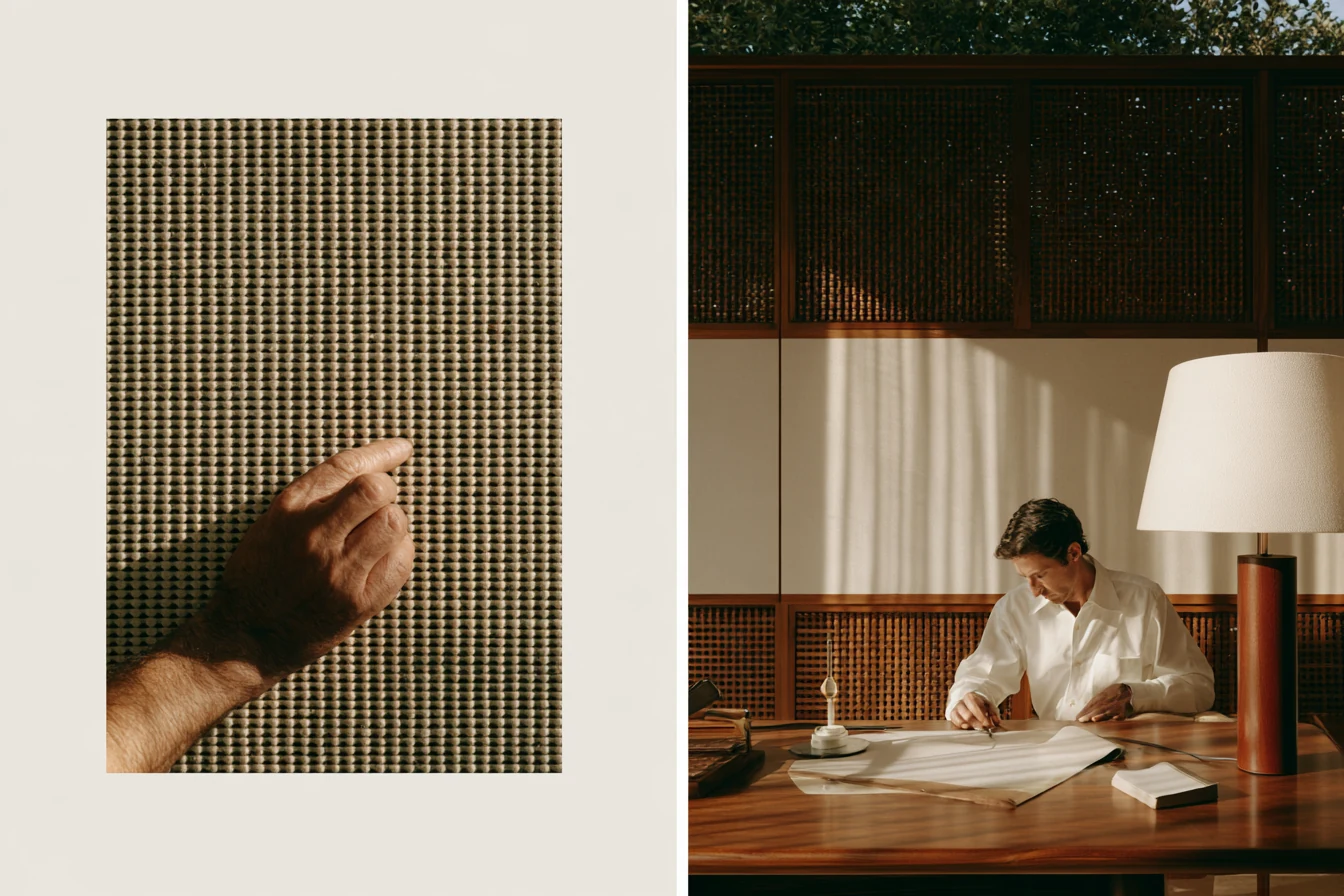
From Observation to Intention
The assessment brings together the physical character of the property, the way it is used and the practical conditions that will influence fragrance diffusion.
It allows us to identify the qualities worth preserving or bringing into focus, as well as the limitations that must be respected.
These findings inform the next stage, the Emotional Brief, in which we decide how the place should feel.
Related