Translating the character of a place into fragrance requires a different kind of thinking. A memory cannot be reduced to a list of ingredients, and the atmosphere of a room rarely fits a familiar fragrance description. The work lies in finding the olfactory qualities that give an idea its particular character.
This is where the observations gathered from the space, and the associations explored in the Emotional Brief, are translated into the vocabulary of perfumery.
From References to Fragrance
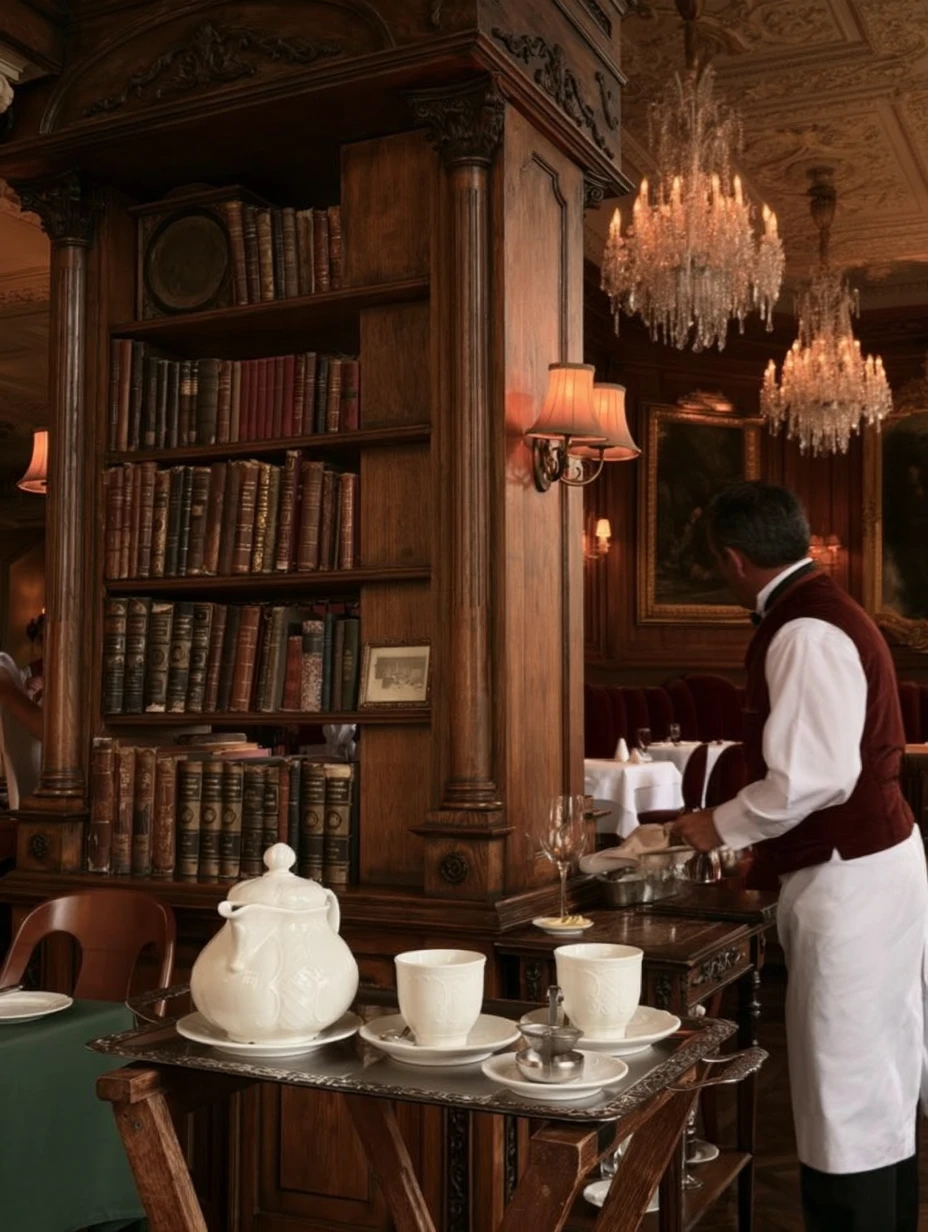
Consider the memory of an old library. It may be the dryness of wooden shelves that comes to mind, the faint powderiness of paper, the worn leather of a chair or the lingering warmth of polished furniture.
Each detail suggests a different olfactory possibility. Yet the intention may have little to do with recreating the literal smell of books. Perhaps it is the feeling of quiet concentration that matters, or the familiarity of a room visited over many years.
We look for the elements that carry the meaning of a reference, then work out how fragrance might interpret them.
A botanical freshness can have the character of crushed stems rather than freshly washed linen. Warmth might come from the dry grain of cedar, the softness of resin or the gentle spice of a familiar kitchen. Even a single material can suggest different impressions depending on the notes surrounding it.
Distinctions like these take us past the usual fragrance categories, towards a composition with a character of its own.
Setting the Scene
We compose for a place as it is seen, touched and lived in.
From the first brief to the final sample, we work closely with independent perfumers. Together we build a visual brief: a board that holds the natural materials we may draw on alongside the materials of the space itself.
How many windows let in the afternoon light. Whether the leather is natural, or dyed and finished. Stone or timber underfoot, ceramic or linen to the touch. These details shape how a place should smell, because we want it to smell the way it looks, and to draw attention to the quiet details that make it what it is.
In consultation with a neuroscientist, we then write the scene that does not yet exist: who arrives, what they do, how they move and how they feel. It is closer to staging a performance than to writing a list of notes.
The guest is not only the audience. They are inside the performance, sensing the fragrance and the setting at once, and becoming part of it. This is what we mean by an immersive scent experience: a place described, in every detail, through scent.
Establishing the Olfactory Direction
As the references become clearer, we begin to define the fragrance’s character.
We decide on its principal materials and how they work together, how fresh or warm it should be, and how present it should feel in the interior. One fragrance may need to stay in the background of a room, while another is meant to give the place a recognisable identity.
At this point the architectural and emotional brief becomes specific enough to guide the choice or development of a scent.
Related