Places
Luxury Retail
The character of a brand, beyond what can be seen.
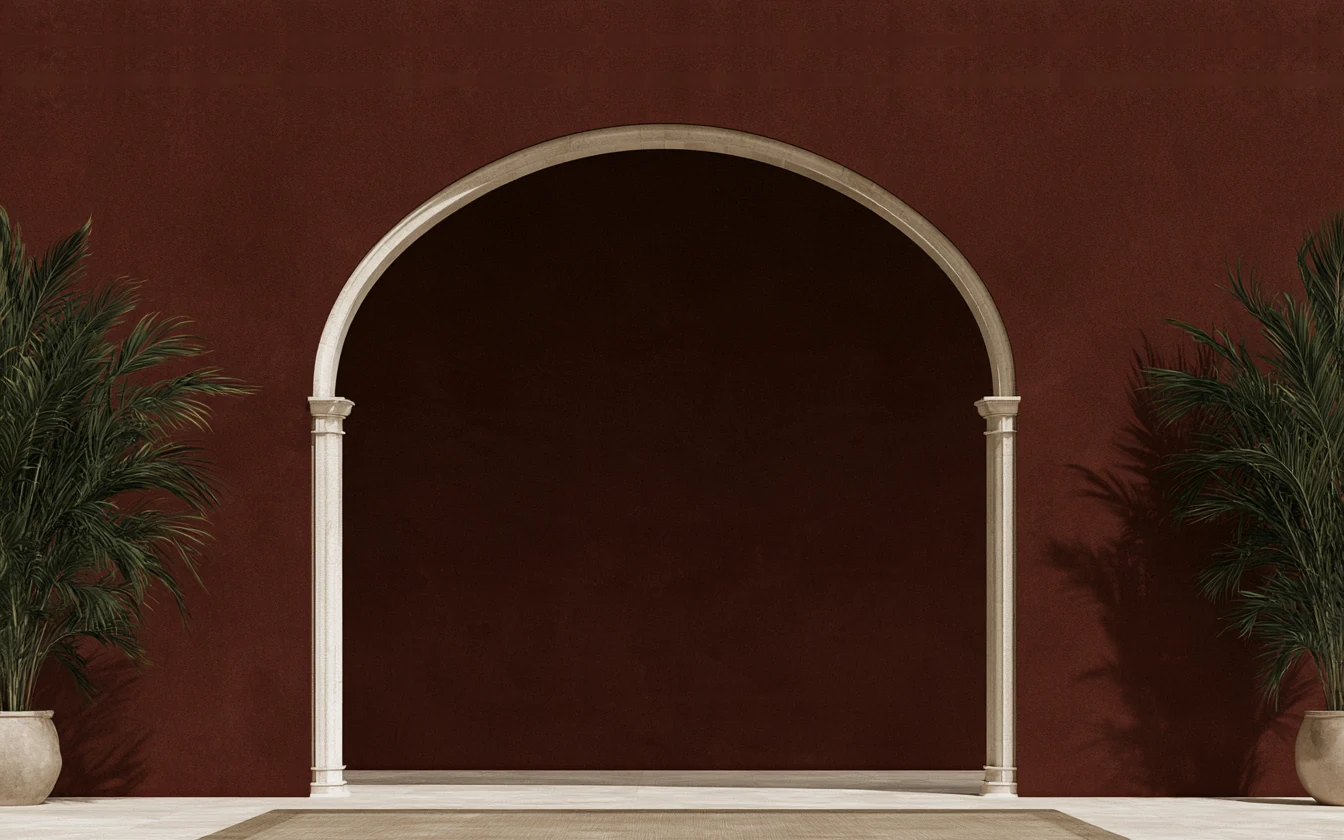
A boutique reveals much about a house before a word is spoken. The weight of a door, the finish of a display cabinet, the space given to a single object. There is a reason for the choice of stone beneath one’s feet, for the particular shade of timber, for the way a garment is presented.
Fragrance belongs to the same attention to detail. It is one more material for expressing the character of a brand, though it is harder to contain.
The Language of the House
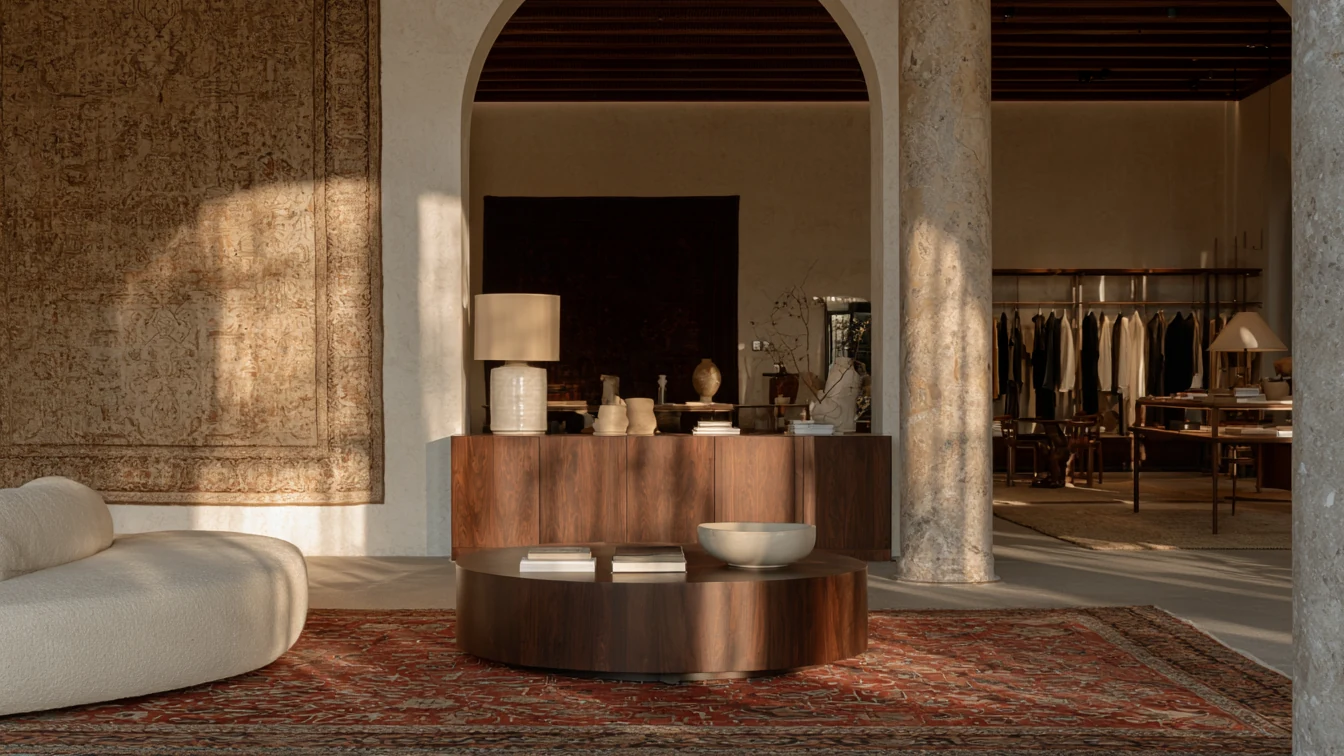
For some brands, the starting point lies in a long history of making. Leather, woven fibres, precious metals or the particular qualities of a material may have become inseparable from the identity of the house.
Others have developed a recognisable world through architecture, colour, cultural references or a distinctive approach to design.
OLFO looks at these details when establishing an olfactory direction. The question is which parts of the brand scent can express. Translating a visual identity into a list of perfume notes rarely works.
A fragrance developed for a boutique need not resemble one intended to be worn. Its character also has to suit the interior and the time people spend there.
Time Spent in the Store
A customer entering from a busy street may encounter fragrance only briefly. Someone considering a piece of jewellery or attending a private fitting may remain in the same room for considerably longer.
The difference matters.
An entrance, a main shopping floor and a private appointment room may each require a different level of fragrance presence. We look at the layout of the interior, the movement of air and what happens in each area.
The scent should leave room for the materials and objects themselves, particularly where their natural smell forms part of the experience.
Across Different Locations
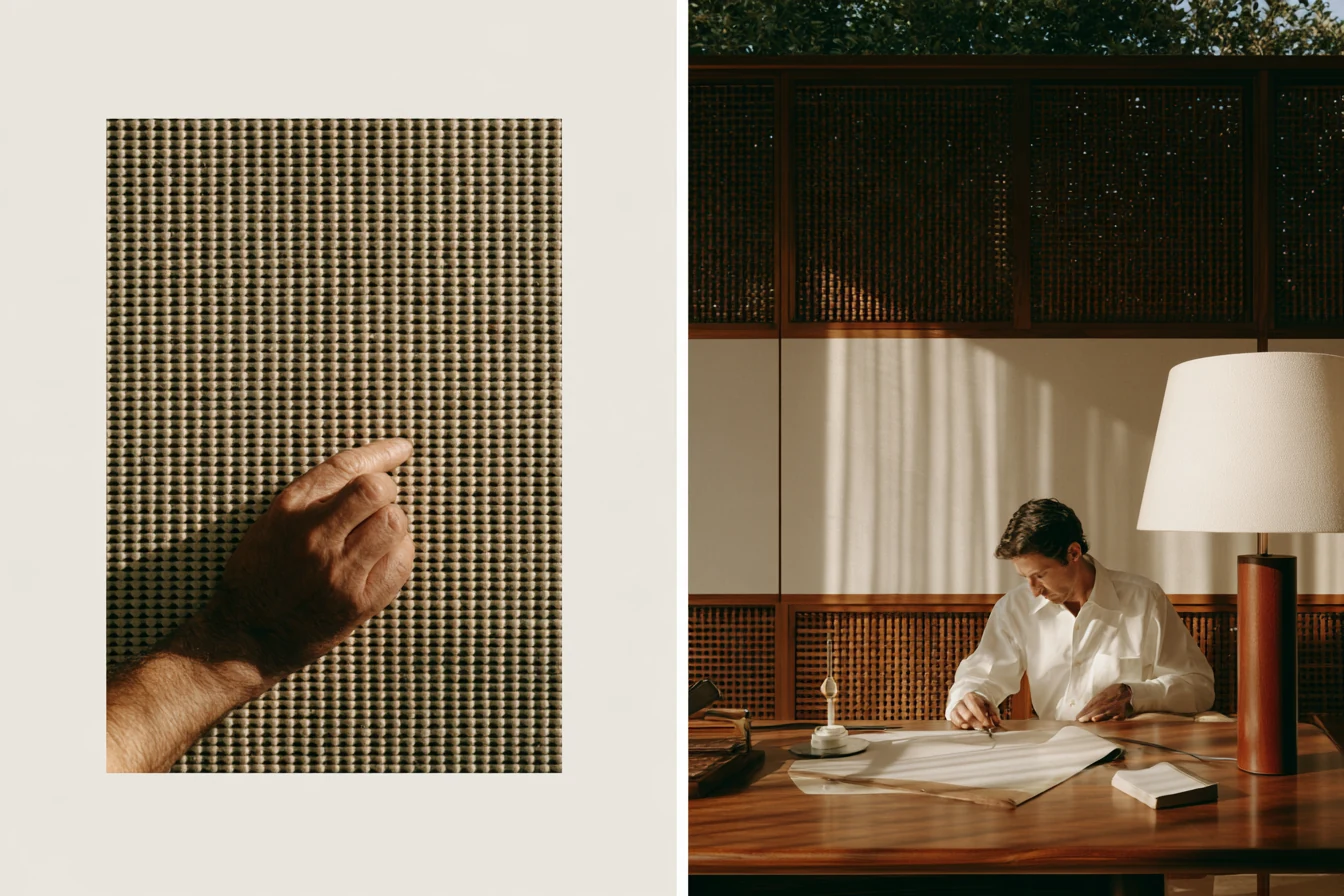
A brand may occupy a historic building in one city and a contemporary interior in another. The architecture changes, as do the proportions, ventilation and patterns of use.
Where one olfactory identity will be used in several locations, these differences need to be understood before deciding how the fragrance will be introduced.
The composition may remain consistent while its diffusion is adapted to the conditions of each store.
The result is continuity across stores, without asking every interior to behave in the same way.
Related