Places
Bars & Nightclubs
After dark, a different character emerges.
A good bar has a particular atmosphere before the first guest arrives. Glassware is arranged, the lights are lowered, bottles catch the last of the evening light. Music begins to fill the room, and the staff move through the familiar preparations for service.
Later, the character changes. Conversations gather around the bar, coats are left over chairs, and the room takes on the warmth of the people occupying it.
In a listening bar, much of the evening may unfold around the music. In a nightclub, movement and sound become more prominent. The details are different, and so is the place fragrance might occupy within them.
The Character After Dark
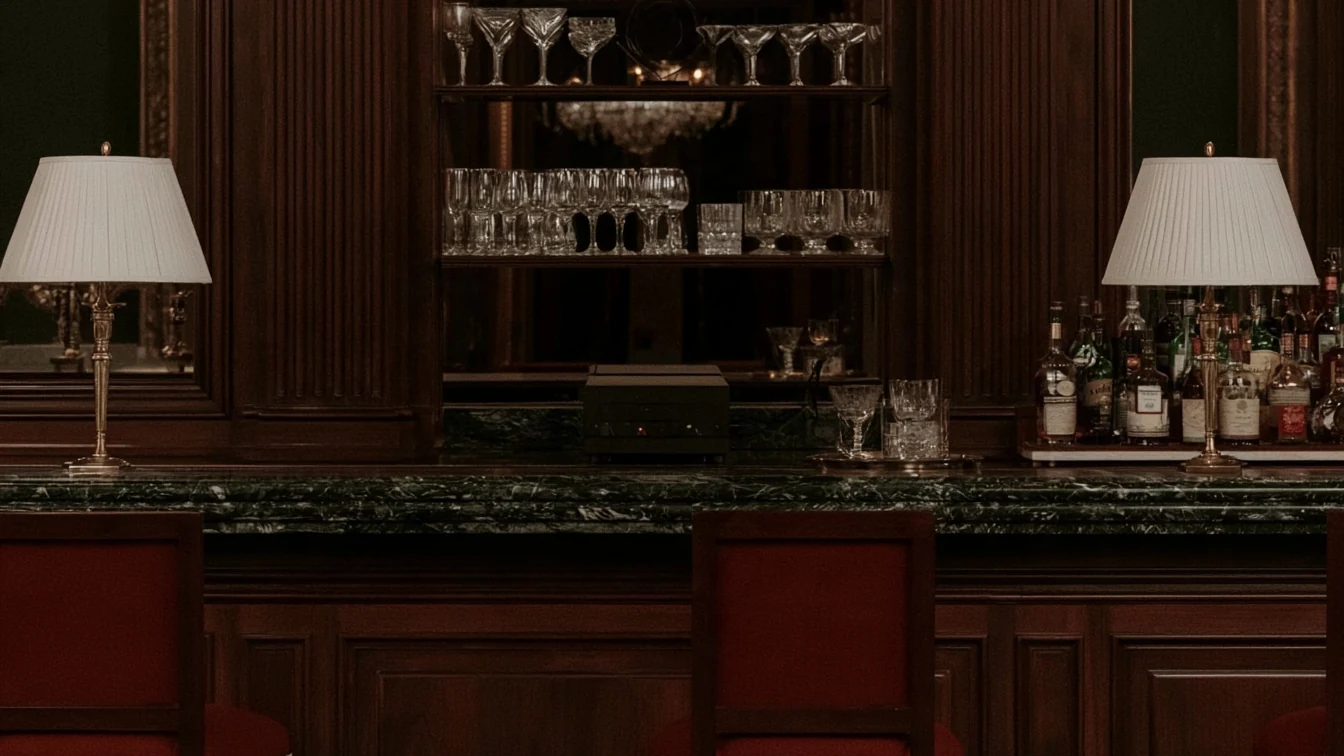
A room lined with dark wood and worn leather offers a different starting point from a contemporary club of polished metal, coloured light and exposed concrete.
Neither calls for a prescribed idea of what nightlife should smell like.
OLFO looks at the materials, music, service and cultural references that give a venue its identity. An olfactory direction may emerge from something quite specific: the dry warmth of timber, a botanical ingredient used behind the bar, or a contrast between the building’s architecture and the atmosphere created within it.
The fragrance does not have to reproduce these references literally. They help us approach the composition with a clearer sense of the place.
Where the Evening Unfolds
A bar changes over the course of the night.
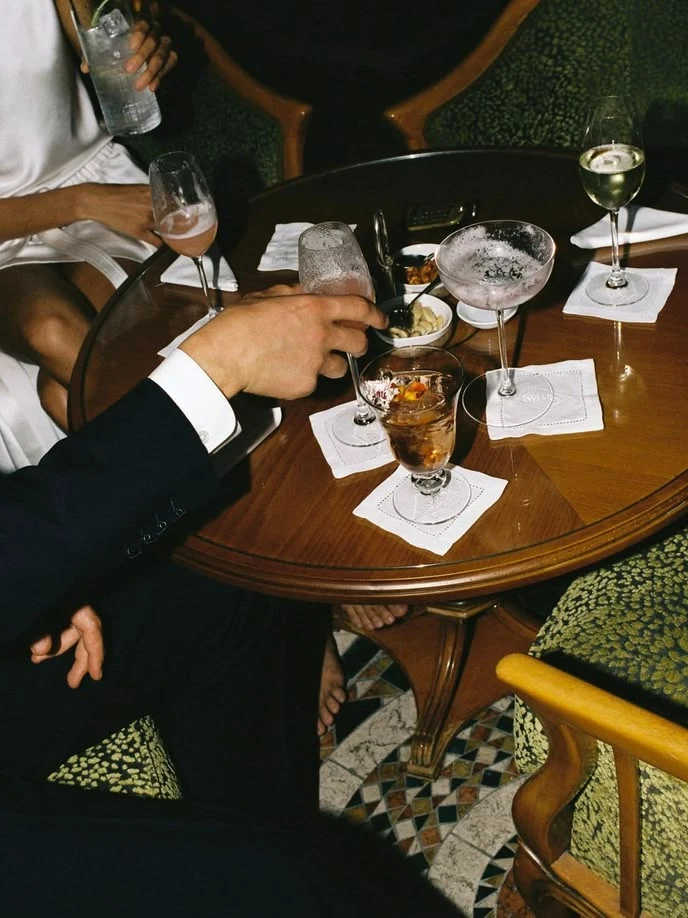
Early guests may settle into quiet corners, while later arrivals gather around the counter. In a nightclub, the entrance and adjoining lounges can feel quite separate from the main room, where occupancy, movement and ventilation place greater demands on the environment.
These differences decide where fragrance can go.
An entrance or private lounge may accommodate a discreet olfactory presence. In crowded areas, the existing combination of perfumes, drinks and other ambient smells may leave little room for anything additional.
Diffusion has to account for air movement, occupancy and how long guests stay in each area.
A fragrance for an evening venue should be judged during the hours the place is actually open. What seems right in an empty room in the afternoon can feel quite different once the music is playing and the bar is full.
Related